 Hotel
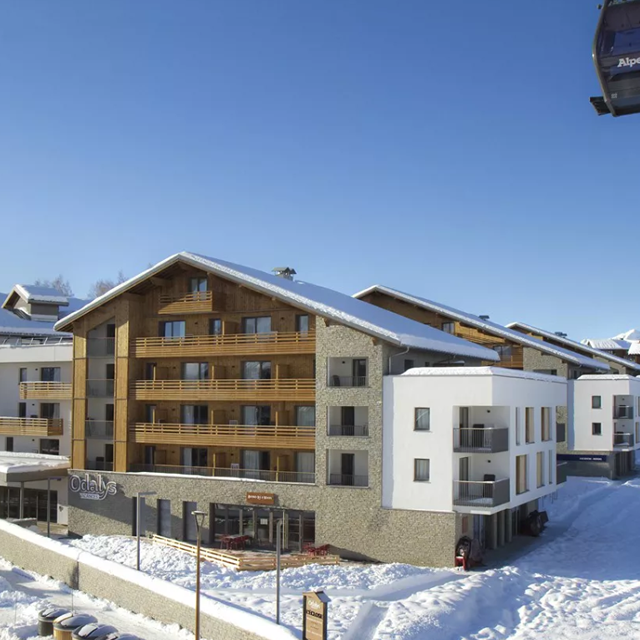
Appart' Hotel Prestige Odalys l'Eclose
Appart' Hotel Prestige Odalys l'Eclose is a beautiful luxury complex in the Eclose district of Alpe d'Huez. The ski lift is just 100 metres away. You…

From the Alps around Mont Blanc to Auvergne's volcanic landscapes, your holiday scenery changes. Auvergne-Rhône-Alpes brings mountain towns, cycle routes along vineyards and riverbanks, and Lyon's gastronomy together within the same region.
24 of 2270 trips
Hotel
Appart' Hotel Prestige Odalys l'Eclose is a beautiful luxury complex in the Eclose district of Alpe d'Huez. The ski lift is just 100 metres away. You…
 Apartment
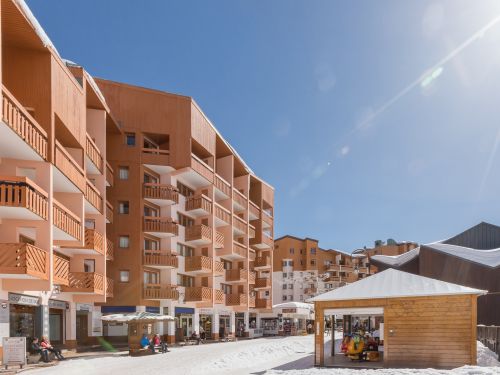
Résidence Aconit is in the heart of the lively Bruyères district in Les Menuires. The residence is at the foot of the slopes and the chairlift 'Arcoss…
Apartment
Résidence Aconit is in the heart of the lively Bruyères district in Les Menuires. The residence is at the foot of the slopes and the chairlift 'Arcoss…
Apartment
Résidence Aconit is in the heart of the lively Bruyères district in Les Menuires. The residence is at the foot of the slopes and the chairlift 'Arcoss…
Apartment
Résidence Aconit is in the heart of the lively Bruyères district in Les Menuires. The residence is at the foot of the slopes and the chairlift 'Arcoss…
 Apartment
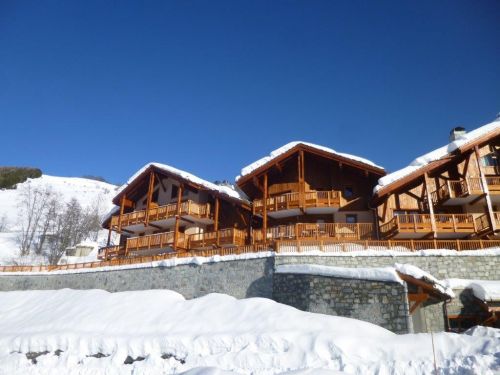
Chalet Adele is a typically French residence, beautifully located in the upper part of St. Martin de Belleville. The best part? The slopes are practically outside, so you…
Apartment
Chalet Adele is a typically French residence, beautifully located in the upper part of St. Martin de Belleville. The best part? The slopes are practically outside, so you…
Apartment
Chalet Adele is a typically French residence, beautifully located in the upper part of St. Martin de Belleville. The best part? The slopes are practically outside, so you…
Apartment
Chalet Adele is a typically French residence, beautifully located in the upper part of St. Martin de Belleville. The best part? The slopes are practically outside, so you…
 Apartment
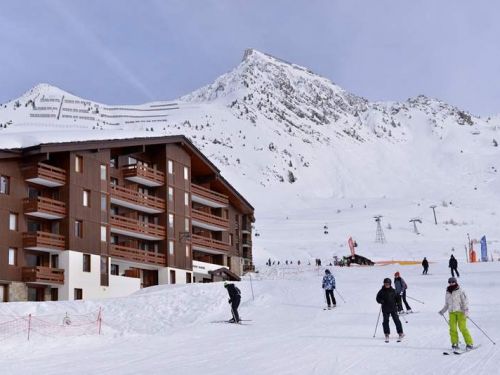
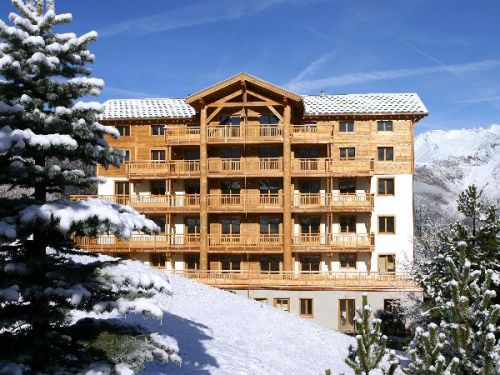
Résidence Aigue Marine is right by the blue slope (around 30 metres) in family-friendly Belle Plagne. This lets you head straight out early in the morning…
 Apartment
Résidence Alba is a recently built, small residence with 5 floors (with a lift) and a total of 15 luxury apartments. The residence is…
Apartment
Résidence Alba is a recently built, small residence with 5 floors (with a lift) and a total of 15 luxury apartments. The residence is…
Apartment
Résidence Alba is a recently built, small residence with 5 floors (with a lift) and a total of 15 luxury apartments. The residence is…
Apartment
Résidence Alba is a recently built, small residence with 5 floors (with a lift) and a total of 15 luxury apartments. The residence is…
Apartment
Résidence Alba is a recently built, small residence with 5 floors (with a lift) and a total of 15 luxury apartments. The residence is…
 Apartment
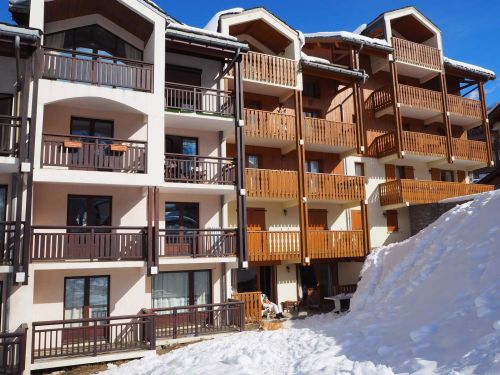
Appartement Altitude enjoys a beautiful location near the centre of Saint Martin de Belleville. Around 200 metres away is the Saint…
 Apartment
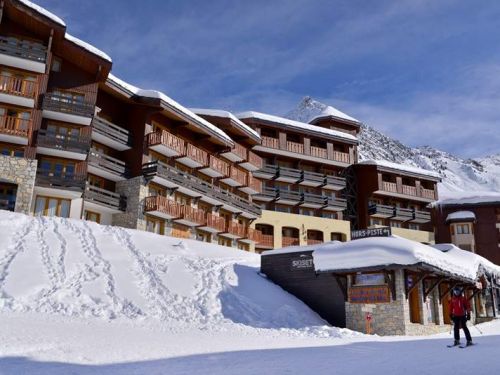
Andromede is near the slopes in the upper part of Belle Plagne. The residence is distinguished by its favourable location. The slopes and lift…
Apartment
Andromede is near the slopes in the upper part of Belle Plagne. The residence is distinguished by its favourable location. The slopes and lift…
Apartment
Andromede is near the slopes in the upper part of Belle Plagne. The residence is distinguished by its favourable location. The slopes and lift…
Apartment
Andromede is near the slopes in the upper part of Belle Plagne. The residence is distinguished by its favourable location. The slopes and lift…
 Apartment
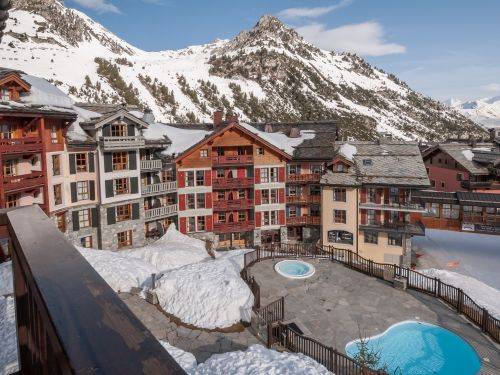
The ski-in/ski-out residence Arc 1950 Le Village is in the car-free mountain village of Arc 1950, in the heart of the Paradiski - Les Arcs ski area. This large residence…
Apartment
The ski-in/ski-out residence Arc 1950 Le Village is in the car-free mountain village of Arc 1950, in the heart of the Paradiski - Les Arcs ski area. This large residence…
Apartment
The ski-in/ski-out residence Arc 1950 Le Village is in the car-free mountain village of Arc 1950, in the heart of the Paradiski - Les Arcs ski area. This large residence…
Apartment
The ski-in/ski-out residence Arc 1950 Le Village is in the car-free mountain village of Arc 1950, in the heart of the Paradiski - Les Arcs ski area. This large residence…
Allemond lies in the Eau d’Olle valley in the Oisans, beside Lac du Verney. The lake gives a summer day its own character: you can canoe, pedal boat and paddleboard. Those who enjoy time on the water have a specific reason to stay here. The valley also provides the setting for outings on foot and by bike. Walkers can head from the surroundings to Cabane du Chazeau, Lac de Belledonne, Étang de Champeau and Cascade de Bâton. These destinations offer different places to discover outdoors. For road cyclists, the Col du Glandon and Col de la Croix de Fer are useful reference points, setting off from the valley towards those mountain passes.
Alpe d’Huez gives you the Oisans as the setting for a mountain holiday. Spend a day on walking paths, head towards a high lake or set off on a mountain bike. The town has its own summer and winter sports options, giving the mountains a different character each season without coming only for the pistes. In winter, alpine skiing takes centre stage, alongside Nordic walks and snowshoe routes. As well as a ski day, you can therefore explore the snowy surroundings on foot. Routes have their own conditions of use: a walking route and a ski piste offer different ways to experience the same mountain world.
Arc 1600 lets you discover Les Arcs' original resort location. The buildings were designed in harmony with the mountain relief, a feature to explore on a walk around the town. The heritage trail explains the resort's origins and the role of people including Charlotte Perriand. A stay here therefore also has an architectural side. The funicular from Bourg-Saint-Maurice arrives at Arc 1600, linking Bourg-Saint-Maurice with this resort location. The local pistes and lifts belong to the Les Arcs winter sports setting. Choosing Arc 1600 therefore means choosing a distinct part of the destination, arriving from Bourg-Saint-Maurice with ski mountains surrounding your stay.
Arc 1800 includes the pedestrian districts Charvet, Villards, Chantel and Charmettoger. Mont Blanc and the Tarentaise valley form part of the destination's panorama. This gives a stay a specific local setting: the district names identify different places within Arc 1800, while the panorama makes the surroundings recognisable. In winter, Arc 1800 offers winter sports. For an outing to the Aiguille Rouge, the route by Transarc continues via Arcabulle and Varet, according to the current lift arrangements. That route therefore has a specific sequence of connections; the district where you stay and your chosen mountain outing are different parts of the holiday.
Arc 1950 is a car-free mountain village within Les Arcs, with a layout inspired by North American mountain towns. Walk among shops, restaurants and terraces. The pedestrian streets are a recognisable part of a stay here, with village life and the Paradiski winter sports setting within the same destination. In winter, skiing and ski lessons are available in the Les Arcs and Paradiski area. Other winter activities are also part of the local programme. The village name identifies a specific place within Les Arcs: Arc 1950 is a car-free mountain village within Les Arcs.
Arc 2000 is on the Aiguille Rouge massif side and forms its own resort location within Les Arcs. The mountain world is a clear part of the destination here. A stay means choosing this side of the area, with Varet and the Aiguille Rouge as recognisable names around which to plan mountain outings. Arc 2000 is part of the Paradiski winter sports setting. Besides skiing, Varet's mountain station also has panoramic terraces and light shows. The zipline provides another way to experience these high mountains. Such outings have their own conditions and the applicable conditions.
Auris-en-Oisans lies on the south side of the Grandes Rousses massif, opposite the Écrins peaks. The traditional hamlets are part of the destination. They have stone houses; Les Cours has a rural museum in an old barn. In winter, you can reach the Espace Alpe d’Huez pistes from Auris. For a snowshoe day, the Piégut forest is a local setting. Ski tourers find options around the Col de Cluy towards Grande Buffe and Croix de Cassini, but these require suitable experience and safe conditions.
Aussois connects the mountains of Haute Maurienne Vanoise with Esseillon's heritage. The forts are spread across Aussois and Avrieux, giving an outing a historical side. You can come for the mountains or a walk past old defences, without placing the different fort locations in one spot. Around Plan d’Amont and Plan d’Aval, walking destinations lie in a landscape of reservoirs and mountains. The walk along Plan d’Amont heads towards the Fond d’Aussois refuge near Vanoise National Park. You can also cycle from the village towards the reservoirs. Water, mountain paths and a hut provide specific ideas for a summer day here.
Avoriaz is a distinct French mountain resort on a rocky height above the valley, and that location strongly shapes how the destination feels. Stay in a pedestrian area where buildings are visibly designed around the mountain landscape. A stay is therefore about activities as well as a place arranged as a recognisable, coherent mountain resort. In winter, Avoriaz connects with the Portes du Soleil winter sports setting, where skiing and snowboarding are main activities. To vary a ski day, local guided activities include biathlon, dog-sled trips and an introduction to paragliding. A winter stay here therefore has room for different ways to experience the mountains rather than one fixed pattern.
Belle Plagne is a pedestrian resort with upper and lower districts around the centre. Stone, wood and slate give the buildings their Savoyard appearance. Walk between the districts, linking the upper and lower areas via the centre. In winter, Belle Plagne connects to La Plagne's pistes and the Roche de Mio lift area. It therefore forms a starting point for ski days in the wider area. The precise location remains a feature of your chosen accommodation: the name Belle Plagne does not mean every hotel or apartment lies beside a piste in the same way.
Bourg-Saint-Maurice is in the valley and forms a town in its own right within the Les Arcs destination. The centre has shops, restaurants, hotels and everyday services. You stay in the valley town, with the international railway station as a recognisable arrival point and the surrounding mountains as the setting for holiday days. For winter sports, the funicular takes you from Bourg-Saint-Maurice to Arc 1600. This is a connection from the valley to the mountain resort, not a ski piste through the centre. A valley stay therefore has its own character: time in town and a day in the Les Arcs ski setting belong to different parts of the same destination.
Brides-les-Bains is a separate spa village at the foot of Les Trois Vallées in the French Alps. Its character is immediately apparent: not a stay right on a piste, but a valley village with its own surroundings. Walks through the thermal park and arboretum and along the Doron give the day a different pace from higher in the mountains. That combination makes it appealing if you want time for the village itself as well as heading to higher ground on holiday.
Chamonix-Mont-Blanc brings you to a mountain town in the Mont Blanc valley, with different mountain areas around it. From Chamonix, you head towards Brévent, while access to Flégère is at Les Praz. That distinction makes the destination specific: stay in a valley town and set out from there towards a particular mountain side. For skiing, head to the Brévent-Flégère area, with local beginner areas such as Savoy and Les Planards near the centre too. Those areas have their own starting points. A ski day therefore begins with the chosen area; the name Chamonix does not mean all pistes or lifts are in the same place.
On La Plagne's south side lies Champagny-en-Vanoise, where a gondola gives access to the alpine ski area. The high valley of Champagny-le-Haut contains the hamlets Le Bois, Friburge and Le Laisonnay. These are distinct places within the destination: staying near the village focuses you on the gondola, while the upper valley offers hamlets and Nordic winter activities. In winter, you can reach La Plagne's pistes from the village and continue into the Paradiski area. Champagny-le-Haut also offers Nordic activities including cross-country skiing, snowshoeing and sledging. Ice climbing is also part of the local winter options. Alpine ski days and days in the upper valley can therefore sit alongside each other.
Champagny-le-Haut is Champagny-en-Vanoise's upper valley, with traditional hamlets such as Le Bois, Friburge and Le Laisonnay. The protected valley has its own place within the destination. A stay centres on that valley and the Vanoise surroundings, with hamlets and mountain paths as specific places to discover. In winter, the upper valley offers a Nordic setting for cross-country skiing, snowshoeing and sledging. Ice climbing and guided dog-sled trips are also seasonal options. For the alpine skiing gondola to La Plagne, you depart from Champagny-en-Vanoise. The Nordic upper valley and access to the alpine ski area are therefore different local places.
Chamrousse has different resort parts, including Recoin, Roche Béranger and the Plateau de l’Arselle. Those names help place a stay in the mountains. From the town, you can walk to lakes and higher mountain points, giving a specific invitation to visit outside winter too. Lac Achard, the Lacs Robert and Lac des Pourettes are walking destinations around Chamrousse. There are short walks as well as mountain trips towards Les Vans and the Refuge de la Pra. The Croix de Chamrousse is another recognisable destination. Your holiday days can therefore centre on different routes rather than following the same mountain section each time.
Châtel lies in an open valley on the Swiss border and belongs to Portes du Soleil. Pré La Joux, Linga and Super-Châtel each give winter its own terrain. The story of smugglers and customs officers reveals another side of this border setting, with the Vieille Douane as a local museum in the former customs office. Pré La Joux combines clearings, forest and canyon-like terrain and has a ski connection to Avoriaz. Linga has north-facing pistes, including the steep, regular slope of its namesake piste. Super-Châtel has green and blue pistes and viewpoints towards Lake Geneva, Mont Blanc, Dents du Midi and the Swiss Alps.
Combloux lets you experience the mountains from a village overlooking the Mont Blanc massif. Walks lead through hamlets with farms and chapels, then on to forests and mountain meadows. That variety gives a stay its local character: discover both buildings and heritage and the landscape around the village. The Sentier des graniteurs tells the area's granite history and is near the Plan d’eau biotope. The lake is also a local swimming spot in summer. For higher ground, walk to the Croix des Salles for a Mont Blanc panorama. Water, village history and mountain paths therefore offer different subjects for a holiday day.
Courchevel lies in the French Tarentaise and is part of Les Trois Vallées, a name that immediately sets the holiday scene. You are not at one single starting point but in a destination with Courchevel 1850, Moriond, Village, Le Praz, La Tania and Saint-Bon. This shapes your stay: some places are higher resorts, while Le Praz and Saint-Bon are clearly different village settings. If you seek that difference, you choose a specific setting within the same valley as well as mountains.
Courchevel 1850 is Courchevel's historic central resort village. Shops, restaurants and sporting and cultural facilities give the town its own character alongside the mountains. Rue de la Croisette is in the centre near the hotels and snow fronts. You therefore stay in a specific village setting within the wider Courchevel destination. In winter, Courchevel 1850 has access to the Courchevel ski area. Snow fronts are part of the local resort scene, along with central buildings and facilities. Your chosen address remains important: Courchevel 1850 describes the village surroundings, not a fixed piste distance or a facility of every hotel.
Doucy, also known by its former name Doucy-Combelouvière, is a resort location near Valmorel. It lies on the forest edge overlooking the Valmorel valley and Lauzière massif. A stay therefore centres on mountain activities as well as the specific setting between forest and open valley views. In winter, Doucy belongs to the Valmorel and Grand Domaine ski setting. It has its own winter sports context alongside the village surroundings. Current arrangements remain important for connections and available lifts. A resort name says nothing about the precise access from a particular hotel or apartment.
Flaine has a striking resort scene with modern architecture and pedestrian areas such as Flaine Forum and Flaine Forêt. A walk through the town also introduces its buildings. The mountains start around the resort, where forests, mountain meadows and limestone landscapes reveal different sides of the same destination. In winter, set off from Flaine into the local ski setting and the Grand Massif. The resort parts offer different places to stay within the destination. A hotel address remains a separate choice: the resort's location by the ski area does not mean every stay has the same piste distance or lift access.
La Chapelle-d’Abondance is a village destination in its own right in Portes du Soleil, with the Dranse in the valley. Come for the mountains while discovering local heritage. The Maison des Sœurs has exhibitions about the surroundings; a visit to the Chèvrerie des Thoules adds a farming aspect. For alpine skiing, the town has the Crêt-Béni and Braitaz sectors near La Panthiaz. The shuttle between Crêt-Béni and La Panthiaz is a transport link, not a continuous piste. Alongside skiing, the winter map also shows snowshoe routes, sledging spots and boardercross. These different activities give a winter stay several possibilities.
La Clusaz is a distinct mountain destination in the Massif des Aravis in Haute-Savoie, in scenery that draws your holiday straight outdoors. Viewpoints give direction to a mountain day. Mont Blanc may be visible from the Plateau de Beauregard in clear weather, while the Tête du Danay overlooks the Aravis bowls. For those who enjoy moving through mountain terrain, this is more than one individual activity: a destination where forests, alpine meadows and higher panoramas remain part of your day.
La Norma is a pedestrian resort with wooden residences and chalets. It has its own mountain setting with wooded and open slopes. This combination is reflected in activities around the resort: a stay can centre on ski days as well as walking and cycling in Haute Maurienne Vanoise. In winter, the local ski area features alternating forest and open mountain slopes. Choosing La Norma means choosing this ski setting, with the pedestrian resort as your place to stay. A shared lift product with another destination does not automatically connect the areas by pistes; La Norma's own location remains the starting point.
La Plagne spreads across different valley towns, villages and higher resorts in Haute Tarentaise. This is immediately apparent in the destination's structure: no part automatically has the same location or base. Plagne Villages, Plagne Soleil and La Plagne Montalbert all belong to La Plagne, but each calls for its own approach to your holiday day. Staying here therefore means choosing a particular starting point in the mountains, not just a name on a map.
Hamlets, chapels and traditional houses give the Chemin des Écoliers its own walking theme near La Rosière. Discover Montvalezan's buildings alongside the mountain activities of this Tarentaise destination. Centre and Les Eucherts are two local settings in La Rosière; the path also introduces hamlets beyond those names. In winter, La Rosière belongs to the French-Italian Espace San Bernardo ski area. Besides alpine skiing, winter walking and snowshoe routes include the Forêt link between Les Eucherts and the centre. Designated ski touring routes include Roc and Redoute. Their rules differ from using an alpine ski piste.
La Tania lies in a forest clearing and forms its own village setting within Courchevel. Modern resort buildings and chalet streets give the town a recognisable layout. Forest is a clear part of the landscape during a stay, with routes leading from the village among the trees. Pistes connect La Tania with Courchevel and the wider Les Trois Vallées area. For a different winter day, follow the Chemin du Moulin on snowshoes, past Villaflou and La Nouvaz. There are therefore local walking options alongside ski days. Your route choice and weather conditions determine what is possible during your stay.
La Toussuire is a mountain resort in the Maurienne belonging to Les Sybelles. The surroundings also include Fontcouverte's hamlets, where chapels and mountain meadows are part of the local landscape. During a stay, you can therefore discover the resort and the Savoyard heritage of nearby village places. In winter, alpine ski in the Les Sybelles area or follow walking and snowshoe routes. Dog-sled trips and paragliding are also winter options around the town. These activities provide different ways to spend a winter day in the area.
The Doron des Belleville flows through Le Bettaix, a Savoyard hamlet in the Vallée des Belleville. Walk beside the river among chalets featuring wood and stone. The name Le Bettex also refers to this place: two spellings for the same hamlet, where a waterside walk gives a day a different focus from skiing. For a ski day, the Bettex chairlift takes you to the Les Menuires pistes and Mont de la Chambre sector, giving the hamlet access to Les Trois Vallées. The blue Bettex piste is a return route to Le Bettaix; whether it is open during your visit depends on current conditions. The lift and descent provide specific reference points for a winter sports day.
Le Corbier is a pedestrian resort in the Maurienne, with a covered shopping gallery linking the upper and lower resort parts. Within Les Sybelles, Le Corbier shares the local ski setting with Saint-Jean-d’Arves. Explore the town on foot and head from this resort into the Les Sybelles mountains. In winter, Le Corbier is part of Les Sybelles, sharing a local ski setting with Saint-Jean-d’Arves. A stay then centres on the resort and ski days in that area. The resort name identifies a specific place within the Maurienne; facilities and precise piste distance remain features of individual accommodation.
Le Grand-Bornand is a distinct mountain destination in the Massif des Aravis, making the town specific without treating the whole massif as one entity. During a holiday, Mont Lachat de Châtillon and the Col de la Colombière help you explore the area precisely. These local mountain destinations give walking or cycling days a clear focus and make the scale of the surroundings easier to understand. In winter, Le Grand-Bornand offers more than one type of ski day. The local alpine ski area has pistes of different difficulty levels and a snowpark, with a separate Nordic setting for cross-country skiing too. To enjoy snow without alpine skis, choose winter walks or snowshoe trips and experience another side of the snowy surroundings.
Le Chinaillon is its own village and resort setting within Le Grand-Bornand. Old chalets and mountain meadows give it local character, on the side of the road towards the Col de la Colombière. A stay brings you to this part of the destination, alongside Le Grand-Bornand Village and the Vallée du Bouchet, which have their own surroundings. In winter, Le Chinaillon is an important starting point for Le Grand-Bornand's alpine ski area. Le Charmieux has the snow front with a beginner area. Night skiing is also available on selected evenings. Winter can therefore include different moments on the pistes, while actual opening and arrangements remain decisive for each activity.
Le Levassaix is a mountain hamlet at the entrance to Les Menuires, in Les Belleville municipality. Saint-Claude chapel gives the buildings their own heritage site, while the rock face above the village offers another reason to visit and the nearby ski setting gives winter a place in the same holiday. Above the village lies Le Levassaix's via ferrata, a local introduction to this mountain discipline. Guided via cordata outings are also organised on the rock, with climbing and abseiling in small roped groups. Mountain terrain requires suitable technique and equipment; guidance may be part of the chosen activity.
Le Villaret is a hamlet in the Ponturin valley, with narrow lanes leading to gardens and Saint-Pierre chapel. It therefore has its own face within Peisey-Vallandry, while La Lonzagne connects it with Plan Peisey. For winter sports, the link to the ski setting is via Plan Peisey. There, Peisey-Vallandry gives access to Les Arcs and the Vanoise Express departs for La Plagne within Paradiski. La Lonzagne is the village link from Le Villaret; this transport route is different from a piste through the village.
Les Allues preserves the village past of the Méribel valley in narrow lanes, old barns and a bread oven. The church, museum and library add variety to a village walk. Stay in the historic village, with mountain activities alongside its own local life. In winter, the Olympe gondola links the village with La Chaudanne and Méribel's pistes within Les Trois Vallées. You can therefore combine a stay in Les Allues with alpine skiing in the wider area. The gondola is the link between village and ski starting point; the exact location of your accommodation still matters.
Les Carroz, also called Les Carroz-d’Arâches, is a Haute-Savoie mountain village with traditional wood and stone buildings. The Kédeuze gondola is a starting point into the mountains, where the Grand Massif in winter and walking paths, alpine meadows and cycling descents in summer give holidays a sporting character. The Kédeuze opens access to the Grand Massif ski area and a beginner zone. A winter stay can therefore centre on descents while the village buildings remain a distinct setting off the pistes. A rail toboggan run also lies beside the gondola, adding another activity without being a hotel facility.
Wood and stone shape the traditional village buildings of Les Carroz-d’Arâches in Haute-Savoie, also called Les Carroz. Holiday activities come together around the Kédeuze gondola: the Grand Massif in winter and walking or cycling in summer offer different ways to experience these mountains. The Kédeuze reaches the Grand Massif ski area and a beginner zone. A rail toboggan run starts beside the gondola, adding another local activity. Beyond those activities, the mountain village with its wood and stone buildings remains the village backdrop to a winter holiday in Les Carroz-d’Arâches.
Les Coches is the higher resort setting of Montchavin–Les Coches within La Plagne. The contemporary village layout and link to lower Montchavin give it its own position, while the Paradiski ski setting and summer paths through forest and alpine meadows make the mountains beyond the buildings accessible. In winter, La Plagne's pistes and the Vanoise Express towards Peisey-Vallandry and Les Arcs give a ski day different sides within Paradiski. Beginner zones and snow gardens are part of Montchavin–Les Coches's options. Beyond descents, sledging and snowshoe outings offer other ways to experience the snow.
Les Contamines-Montjoie lies in Val Montjoie on the Mont Blanc massif side. The mountains give the village different outdoor options: alpine terrain, the Nordic area and walks around Notre-Dame de la Gorge each have their own place, making a holiday more than one kind of mountain day. In winter, Les Contamines–Hauteluce and Domaine Nordique 4 Saisons are separate terrains. Les Loyers and Le Nivorin have local zones for starting skiing. For walking and snowshoeing, consider the route to Les Granges de Notre-Dame de la Gorge, among others, choosing a different way to move through the snow.
Les Deux Alpes, also written Les 2 Alpes, lies in the Oisans mountains. The high ski terrain and bike park give different seasons their own sporting appeal, while walks and trail outings around the Écrins reveal the mountains beyond descents too. In winter, an active holiday centres on skiing and snowboarding on high terrain. Mountain guides also offer guided activities such as ski touring and snowshoeing according to the season. The mountain experience can therefore take different forms, with actual opening and conditions part of each chosen activity.
Les Gets is a separate village on a mountain pass in Haute-Savoie and belongs to Portes du Soleil. Mont Chéry and Les Chavannes are two different mountain sides, while the Musée de la Musique Mécanique adds its own cultural subject alongside sporting mountain activities. In winter, you can alpine ski, snowboard and try biathlon locally. The two mountain sides remain specific local settings within the same destination. Portes du Soleil describes the wider area; the village and the mountain side you actually choose give the ski day its own starting point.
Les Houches is a separate mountain village in the Chamonix valley, with Prarion and Bellevue as its own starting points higher up. The mountains overlook the Mont Blanc massif, the Fiz and the Aravis, giving both winter holidays and summer walks through forest and alpine meadows a recognisable landscape. In winter, the Les Houches–Saint-Gervais ski terrain runs through forest on two mountain flanks. Le Tourchet is a local beginner setting. Higher up at Prarion, Ski Camp adds sledging and snowtubing, while Les Mélèzes has a snowpark and boardercross. A snow day therefore offers different terrains for skiing and other ways of sliding.
Les Menuires is in the Vallée des Belleville, where Saint-Martin-de-Belleville and Val Thorens are also separate destinations. From Les Menuires, you have access to Les Trois Vallées for ski days. In summer, explore the valley on foot, by bike or mountain bike; the same mountain area gives holidays a different character across seasons. You can also seek the snow on a sled at Roc’n Bob, the snow toboggan run starting by the Roc 1 gondola. Evening descents are also available according to the current programme. You can therefore fill a winter day beyond ski pistes. Participation and opening follow the activity's conditions, letting you plan the toboggan descent separately from your ski day.
Les Saisies lies in the Beaufortain and Val d’Arly mountains, with views towards Mont Blanc. Alpine pistes, its own Nordic terrain and summer walking and mountain bike routes give the town different sporting sides, so your chosen activity gives the same mountain holiday a specific focus. In winter, alpine ski in Les Saisies and Espace Diamant or cross-country ski on the separate Nordic terrain. These are different disciplines with their own routes. The distinction makes a holiday varied: one day can revolve around descents and another around the rhythm of cross-country skis in snowy surroundings.
Manigod is a separate mountain village and resort in Haute-Savoie, within the Massif des Aravis. This is evident in a winter stay centred on the destination itself, with its own alpine ski setting as a fixed focus. For variety in one holiday, there are not only pistes but also a clear switch to other winter activities with their own places in and around Manigod. On the alpine slopes, the day centres on skiing in Manigod's own ski setting. On selected evenings, night skiing on illuminated pistes changes the experience, depending on current scheduling. Nearby, the Plateau de Beauregard has a Nordic area for classic cross-country skiing and skating. That Nordic setting on the plateau is distinctly different from alpine skiing and gives your holiday a second rhythm in the snow.
Megève has a historic pedestrian centre with cobbled lanes, Saint-Jean-Baptiste church, galleries and terraces. Mont d’Arbois, Rochebrune and Jaillet form different districts and mountain settings, so a visit can take you through the village and along the destination's own mountain sides. In winter, skiing and snowboarding terrain lies at Rochebrune, Mont d’Arbois and Côte 2000, among other areas. On the Jaillet side is the ski connection to Combloux and La Giettaz. These sectors each have their own position; the district names therefore provide useful orientation when choosing the starting point for a ski day.
Montchavin is the lower village of Montchavin–Les Coches within La Plagne, with a pedestrian centre, wood and stone houses and a working farm. The chapel and working farm give the place its own subjects, while higher Les Coches remains a separate part of the destination. The Des Coches gondola links the two villages. For winter sports, the destination gives access to La Plagne–Paradiski, with beginner zones, snow gardens and snowshoe outings among local options. A ski holiday can therefore include other moments in the winter landscape alongside descents.
Morillon lies in Haut-Giffre and consists of the historic valley village and the higher Les Esserts plateau. These different settings give the destination its own structure, while Lac Bleu near the village and the gondola link to Les Esserts and the Grand Massif each offer a different reason for an active holiday. For a winter day, visit the beginner area on Les Esserts with the Essertoux conveyor and a drag lift. The green Marveline has a playful course through the forest. The Esserts chairlift opens other local options, so the plateau offers different places to practise and ski further in the mountains above Morillon.
Historic Morillon Village lies below in the Haut-Giffre valley, with Les Esserts as a higher plateau within Morillon. Lac Bleu gives the village surroundings a summer recreation spot. In winter, the gondola link to Les Esserts and the Grand Massif makes the relationship between village and ski setting specific. Les Esserts above the village has a beginner area with the Essertoux conveyor and a drag lift. The green Marveline offers a playful descent through the forest. The Des Esserts chairlift reaches other parts of the local sector. For these activities, the winter day takes place on the plateau, while Morillon Village remains the historic village in the valley.
Morzine is a French resort town in Haute-Savoie within Portes du Soleil and also feels like a village in its own right with a recognisable face. Wooden chalets and local Haute-Savoie traditions shape the streets, making a stay here more than a base for activities. If you enjoy a mountain town where village life remains visible, Morzine offers surroundings that immediately encourage exploration. Morzine is a skiing starting point within Portes du Soleil, with Avoriaz as another resort setting in the same broad winter atmosphere. This appeals to those wanting a day on skis before returning to a village with its own character. For something besides alpine skiing, choose local biathlon: a guided activity combining cross-country skiing and shooting.
Méribel is a mountain destination in the French Alps and part of Les Trois Vallées. Different districts and village settings each give your stay its own practical starting point. Méribel Centre brings together shops and the public swimming pool at Parc Olympique. Méribel Village is in a greener residential setting, while Les Allues has a historic village environment. You therefore choose not only mountains but also a part of Méribel that suits what you want to do on holiday.
Méribel-Mottaret lies on the high side of the Méribel destination, overlooking Mont Vallon. Pine forests and the Tuéda nature reserve surroundings bring the town close to its own mountain landscape, where the lake and paths play a different role in summer from the pistes on a winter holiday. Winter offers alpine skiing in Les Trois Vallées, a snowpark, cross-country skiing and walks on foot or snowshoes. You can therefore alternate descents with an activity centred on moving through snowy surroundings. Mottaret is a local resort setting within the larger Méribel.
Méribel-Centre is the central village setting, with shops, restaurants and cafés among wood and natural stone chalets. The chalets have pitched roofs and stand in wooded surroundings. Parc Olympique adds sporting facilities to village life, including a pool and ice rink. In winter, La Chaudanne is the starting point for several lifts to the Méribel and Les Trois Vallées ski area. Alpine skiing is joined by snowparks, cross-country skiing and walks on foot or snowshoes. You can therefore give different winter activities their own place within the same destination.
Méribel-Village is a separate hamlet in the valley, with a square among chalets and converted barns. A chapel, bread oven, shops and terraces make the village recognisable. On a walk, these small-scale buildings remain a subject in their own right alongside the wider Méribel destination's mountain activities. In winter, the Golf chairlift leads to the Altiport and Méribel pistes within Les Trois Vallées. The blue Lapin piste returns to the village centre when conditions permit. Beginner areas also lie at the Altiport; walking and sledging add other activities to a winter stay.
Nancroix is a hamlet in the Ponturin valley within Peisey-Vallandry. Sainte-Marie-Madeleine chapel and varied mountain architecture give a village walk its own landmarks. At Pont Baudin, winter takes a Nordic form; Rosuel is on the Vanoise side and offers another landscape reference point in these mountains. Pont Baudin has Peisey-Vallandry's Centre Nordique. Classic cross-country skiing, skating, biathlon and snowshoeing offer different ways to experience the winter landscape. Nancroix therefore has its own Nordic starting point; it is not the same as Plan Peisey's alpine resort setting.
Notre-Dame-de-Bellecombe lies in Val d’Arly and consists of the central village and several hamlets, including Le Mont Rond and La Boulangère. The mountain setting is part of Espace Diamant, while the separate village places and summer paths each offer their own reason for a holiday here. In winter, the local ski bus network connects the hamlets to the ski terrain. Your actual accommodation location therefore matters for the start of a ski day. Plan des Fours offers a panorama within Espace Diamant, so the winter setting includes recognisable mountain views as well as descents.
Oz-en-Oisans includes the village and Oz 3300 resort setting in the Grandes Rousses massif. Wood and stone buildings among conifer forests give it its own place to stay, while mountain lakes, rocky ridges and alpine meadows shape the landscape explored during winter or summer outdoor activities. The Alpette and Poutran gondolas open access to Espace Alpe d’Huez, with Oz–Vaujany as the local sector. Alpine skiing and snowboarding give winter a sporting focus. Alpette also has cross-country and walking options, so every day need not revolve around the same form of descent.
Peisey lies in the Ponturin valley and has its own historic village setting with Sainte-Trinité church and the Tour du Bois circuit. The chapel route links different Peisey-Nancroix hamlets, so a walk here passes the valley's heritage as well as mountain scenery. In winter, Plan Peisey is the alpine starting point within Peisey-Vallandry and Les Arcs. The Vanoise Express connects there with La Plagne within Paradiski. From the village surroundings, La Lonzagne at Le Villaret provides the link upwards; this is transport between village and resort, not a separate descent through Peisey.
Peisey-Nancroix is a municipality and village setting within Peisey-Vallandry, not the name of all Paradiski. This is apparent in the destination's structure: Peisey, Le Moulin and Nancroix have their own village and heritage settings, while alpine resorts lie higher up. Staying here therefore means a valley where local centres and mountain resorts coexist, rather than one uniform winter sports town. The area also lies near the peaks of Vanoise National Park, immediately giving the landscape a clear mountain backdrop.
Plagne 1800 has a past as a village of miners extracting silver-bearing lead. Chalets and residences now form the local setting, with hotels as another accommodation type within the same destination. La Roche, Crête Côte and Plangagnant are other nearby hamlets: overnight stays in Plagne 1800 have their own local place. In winter, a beginner zone and a ski touring starting point give a ski day different possibilities. The Boucle de Cavard adds a local snowshoe walk. Plagne 1800 therefore has specific winter activities in its own surroundings, without the mining village remaining merely a name by the pistes.
Plagne Bellecôte is a pedestrian-oriented resort setting where different La Plagne sectors meet. Modern integrated buildings, the shopping gallery and snow front shape the local scene, while routes towards forest and Dou du Praz also open a distinct landscape beyond the buildings. In winter, there are ski connections towards Plagne Centre, Champagny-en-Vanoise and Montchavin–Les Coches. Via the Vanoise Express, La Plagne connects to Peisey-Vallandry and Les Arcs. At Dou du Praz and Les Frasses, walking, snowshoeing and cross-country skiing offer a different focus from skiing.
Plagne Centre is La Plagne's original resort core, with the snow front and a shopping gallery as landmarks. Pistes and lifts meet here, while shops, restaurants, bars and a cinema give the built surroundings their own character alongside mountain activities. In winter, alpine ski, practise in beginner zones or seek out sledging. The Grande Rochette offers another perspective: its panorama overlooks the mountains between La Plagne and Champagny-en-Vanoise. Towards Mont Blanc and Vanoise, the landscape itself thus becomes part of the ski day.
Plagne Montalbert has low wood and stone buildings around a pedestrian centre by the snow front. The village belongs to La Plagne and offers a specific alternation between buildings and forest, with Le Fornelet as a mountain viewpoint and themed paths revealing local details along the way. In winter, the gondola leads to Le Fornelet, where the view towards Mont Blanc is its own reason for a trip upwards. The blue Des Lutins piste winds through forest back towards the village. Cross-country skiing, snowshoeing and ski touring add other disciplines to Montalbert's winter options.
Plagne Soleil and Plagne Villages are different resort settings opposite each other within La Plagne. Soleil's pedestrian centre and Villages' local ski and beginner zones each provide their own place, while Dou du Praz gives the surrounding mountains a recognisable outing destination. In winter, combine Plagne Villages' local ski and beginner zones with walking routes, snowshoeing or cross-country skiing at Dou du Praz. The plateau lies between Plagne Soleil, Plagne Villages and Plagne Bellecôte. The Télébus links the Villages area with Plagne Centre according to the seasonal timetable; this is transport between local places.
At Télépôle in Plan Peisey, the Vanoise Express departs across the Ponturin valley. The resort surroundings belong to Peisey-Vallandry and also connect to Le Villaret via La Lonzagne. In summer, walking paths lead between forest and the Les Esserts alpine meadow, while routes in the mountain biking network offer other outdoor options. The Vanoise Express connects Peisey-Vallandry and Les Arcs with La Plagne within Paradiski. A winter sports day can therefore include descents on different sides of the Ponturin valley. Plan Peisey is the starting point for this area link, but your accommodation's location still determines how you reach the ski start.
Pralognan-la-Vanoise lies among the Vanoise mountains, where village life and mountain sports meet. A walk can lead through mountain meadows towards higher glacier surroundings. The town is a starting point for Vanoise routes, so a summer holiday also has room for days heading into the mountains in hiking boots. In winter, alpine ski, cross-country ski and ski tour. For exploring on foot, winter walks and snowshoe routes lie around the village. This gives a stay different forms: a day on the pistes, a cross-country outing or a walk through snowy mountain scenery. For ski touring, experience and suitable conditions are part of route choice.
Praranger is a village in the Vallée des Belleville. The chapel and vaulted oven beneath it reveal something of local village life, where bread-making tradition also has a place. A stay has a specific village setting here; Praranger and Les Menuires are separate places within the same valley and therefore refer to different addresses. The winter route Découverte des villages passes through the Praranger area. On foot or snowshoes, discover the link between hamlets towards Le Lavassay and Saint-Martin-de-Belleville. This is a winter walking route. For alpine pistes, use a suitable ski starting point in the valley and do not count that walk as a piste connection.
Saint-François-Longchamp lies in the Maurienne in Savoie. The Col de la Madeleine is part of the mountain surroundings and a landmark for those who enjoy travelling through mountain scenery. In summer, you can walk and mountain bike in the mountains. The mountain bike route to Lac du Loup connects different parts of this landscape. In winter, the town belongs to Le Grand Domaine, which has a ski connection to Valmorel. Forests, mountain meadows and higher slopes give the ski day variety. For cross-country skiing, head to the Espace Nordique du Grand Coin near Montaimont. That is a separate Nordic setting, not another name for Le Grand Domaine's alpine pistes.
Saint-Gervais Mont-Blanc lies in Haute-Savoie at the foot of the Mont Blanc massif. Experience the mountains on foot and by mountain train: the Tramway du Mont-Blanc departs from Le Fayet. A summer walk to Lac de Joux gives the day another destination. Which train stops are accessible follows the season and current timetable. For winter sports, the gondola to Le Bettex gives access to Évasion Mont-Blanc. Skiing and snowboarding belong to this area; Mont d’Arbois also has a beginner setting. Saint-Gervais additionally has access to the separately named Saint-Gervais/Les Houches area. Those names help distinguish the specific ski destination within the wider destination.
Saint-Jean-d’Arves is a mountain village in the Maurienne. The Aiguilles d’Arves are distinctive nearby peaks, making the Arves name recognisable in the landscape too. A holiday here is about more than sporting terrain: local farming and Beaufort cheese are part of mountain life encountered alongside activities. In winter, the village belongs to the connected Les Sybelles ski area. A ski day therefore has a wider area context, while Saint-Jean-d’Arves remains your own place to stay. Guided snowshoe walks offer another way to experience the snowy surroundings. At La Chal, you can also cross-country ski on a route shared with walkers and snowshoers.
Saint-Marcel-de-Belleville is a hamlet near Saint-Martin-de-Belleville. It is not the same place as Saint-Marcel municipality in the Isère valley. Notre-Dame-de-la-Vie stands at a viewpoint level with Saint-Marcel. Together, the sanctuary and hamlet provide a specific reason to discover Belleville valley heritage on foot. In winter, the Boucle de Saint-Marcel passes through the hamlet. It follows the Sentier du Pèlerin towards Notre-Dame-de-la-Vie and Saint-Martin. Part of the path is shared with the cross-country route, but the walk is not an alpine piste connection to every address. For skiing, Saint-Martin's ski starting points and those in the wider valley are a separate choice.
Saint-Martin-de-Belleville is about more than mountains: first, it is a real village with a recognisable face of its own. Walk through narrow streets among Savoyard wood and stone architecture, while the church with its Baroque interior, an old bread oven and the village museum immediately give your day substance. A stay therefore also suits those wanting time for heritage visibly present in the village itself alongside being outdoors. In winter, the ski day starts in the village, where a gondola and further lifts give access to the connected Les Trois Vallées ski area. This is especially practical for those wanting a historic place to stay before heading into the mountains. Village and ski area are not the same: you set off from Saint-Martin-de-Belleville to the winter sports area, while the village scene and its own heritage remain a clear part of your stay.
Saint-Sorlin-d’Arves is a mountain village near Les Sybelles, on the route to the Col de la Croix de Fer. In winter, the ski area draws attention; in summer, the same mountain setting becomes a destination for walkers. The village and pass are separate places within a destination where seasons determine the terrain you seek. Saint-Sorlin-d’Arves's own ski sector is part of the connected Sybelles area. A village stay can therefore centre on days on those pistes, with the local sector as a specific name within the larger whole. Your chosen address and current area use determine which lift or piste is the starting point.
Sainte-Foy-Tarentaise is in Haute Tarentaise overlooking the valley. Wood, stone and lauze roofing give the buildings their own mountain character. Forests and hamlets alternate nearby, so a trip is about more than an endpoint: along the way, different sides of the scenery and wood, stone and lauze buildings appear. In winter, experience the pistes and wooded mountains on skis. Snowshoe routes include Planay Dessus, while the marked Plan Bois ski touring route starts at the chapel in the resort surroundings. Freeriding is a separate mountain activity; suitable guidance, experience and conditions belong with the chosen terrain.
Samoëns lies in the Giffre valley and has its own village setting below the Grand Massif. The Grand Massif Express and Vercland gondola take you to the Plateau des Saix, the starting point for alpine pistes. Village and high ski terrain are therefore different parts of the same destination, with their own character for a stay. In winter, besides alpine skiing, cross-country ski in Haut-Giffre and at Joux Plane. Classic style and skating have their own terrain there. Snowshoe walks and ski touring options add other ways to experience the mountains. For a ski day, cross-country trip or walk, therefore seek a specific suitable starting point.
The Maurienne in Savoie is the setting for Saint-François-Longchamp, also shortened to St-François-Longchamp. The Col de la Madeleine is a landmark in the mountains around the town. Walking and cycling belong to summer, while the destination is part of Le Grand Domaine in winter. The same holiday town can therefore be a starting point for a walk, a cycle trip or a ski day. For a specific mountain bike trip, look into the route to Lac du Loup. It uses the Col de la Madeleine road and passes a Beaufort alpine farm, Montaimont and Sainte-Marguerite chapel. You therefore come for more than the bike ride: farming and a local heritage site also have a place along the way.
Saint-Jean-d’Arves, also written St-Jean-d’Arves, is a mountain village in the Maurienne. The Aiguilles d’Arves are distinctive nearby peaks. The village also has a local mountain culture: farming and Beaufort cheese are part of life here. These subjects give a visit its own content alongside a sporting day in the mountains. In summer, walk in the Arves. Discovering the landscape on foot then gives the holiday a different focus from winter sports in Les Sybelles. Mountain peaks, farming and Beaufort together form the local context of that holiday. You can therefore come for an outdoor activity and also explore the village and mountain culture.
Saint-Martin-de-Belleville's heritage route passes traditional buildings and traces of former village life. Villarenger also has its own heritage walk. These outings give the Belleville valley a focus on the villages themselves: discover local history alongside days when skiing or a mountain walk shapes your holiday. For winter sports, Saint-Martin belongs to Les Trois Vallées. Besides alpine skiing and snowboarding, there are marked ski touring routes including the Pas de Cherferie. Winter walks and snowshoe routes explore the surroundings of Le Châtelard, Saint-Marcel and towards Villarenger. Those activities use different terrain and each needs a suitable starting point.
Saint-Sorlin-d’Arves is on the route to the Col de la Croix de Fer. In summer, the pass is a starting point for walks to lakes and the Refuge de l’Étendard. Lac Blanc is near the refuge. These specific places give a walking holiday different destinations, choosing a trip that suits your experience and mountain conditions. A summer visit need not be only about walking. Guided horse rides are also possible in the mountain surroundings, with their own seasonal programme. They add another activity alongside walks from the pass. The town itself, Col de la Croix de Fer and lakes around the refuge remain different places to explore.
Tignes lies in France's Auvergne-Rhône-Alpes region and is a destination in its own right, not a collective name for the entire French Alps. Within the town, Tignes le Lac, Val Claret, Tignes 1800 and Les Brévières each identify different local surroundings, while the Grande Motte marks the high mountains above Tignes. This difference is immediately evident in your stay, since accommodation always lies in a specific village or resort setting rather than everywhere at once. In winter, Tignes centres on skiing and snowboarding in high mountains. Tignes and Val d’Isère together form a connected ski area, so a ski day need not be limited to one local slope, though they remain two separate destinations. Pistes offer different difficulty levels, alongside snowparks and boardercross. For variety, when snow is suitable, cross-country ski around the lake between Tignes le Lac and Val Claret, with local options at Les Brévières too.
Tignes 1800 lies between Les Brévières and Tignes le Lac and is its own village setting within the Tignes destination. Wood and stone chalets are part of the village scene. Around Saint-Jacques church, the past also has a place: the church replicates the one in the village submerged when the dam was built. For winter sports, the Les Boisses gondola gives access to the Tignes ski area. A beginner zone in the village setting gives ski practice a specific place too. You can also take winter heritage walks in Tignes 1800 and Les Brévières. A village walk and a piste day are therefore different moments in the snow.
Tignes les Brévières lies below the dam and forms a separate village setting within Tignes. Traditional chalets and larches shape part of the scene. A stay here therefore has a specific local address alongside the other parts of Tignes. The village itself and the link to the winter sports surroundings provide different reference points for a holiday. In winter, there is a connection to Tignes 1800 and access to the Tignes winter sports setting. Les Brévières and Tignes 1800 also suit winter heritage walks. A hotel's location remains separate information: a connection between villages is not a promise of a piste directly beside every stay.
Val Cenis lies in Haute Maurienne Vanoise between Vanoise and the Italian border. Bramans, Lanslebourg-Mont-Cenis, Lanslevillard, Sollières-Sardières and Termignon are different villages of the destination. A stay therefore has its own local address; that village choice gives the holiday a specific place within the broad mountain setting. In winter, alpine ski, snowshoe, cross-country ski and sledge. For cross-country skiing, Bramans and Sardières are separate Nordic settings. Those terrains are not the same as alpine pistes. Different activities each offer another way to experience winter, with a suitable starting point for each village and route.
Val Thorens lies in France, in Savoie in the Auvergne-Rhône-Alpes region, and belongs to the Vallée des Belleville. Stay in a low-traffic mountain village clearly focused on the mountains rather than through traffic. That location makes the destination recognisable for travellers wanting a holiday in a true mountain setting, with the town itself as a fixed starting point within a larger whole. In winter, Val Thorens centres on skiing and snowboarding. It belongs to Les Trois Vallées, so you choose a place firmly within a larger ski region without the village losing its own name. For snow sports, you therefore choose more than a Savoie village: a winter setting where the activity immediately coincides with the surroundings of your stay.
Val d’Isère begins in the village itself, where narrow streets, stone buildings and a church tower form the setting for holiday days in Haute Tarentaise. Nearby is Le Fornet, a separate preserved hamlet adding another layer to the same destination. If you enjoy walking through a mountain village and its immediate surroundings as well as sport, explore the village and Le Fornet between sporting days. Skiing in Val d’Isère involves more than one slope or sector. It shares a connected ski area with Tignes but is not the same as Tignes, relevant if you deliberately want to start or stay on the Val d’Isère side. Bellevarde and Solaise are different sectors on this side, with the Face de Bellevarde on Bellevarde for advanced skiers. There are also pistes of different difficulty levels and local ski touring options.
Valfréjus is a mountain destination in the Maurienne, named after the French-Italian Fréjus massif. The Chapelle du Charmaix gives the village surroundings a landmark, while Mont Thabor belongs to the wider mountain world. A stay can therefore centre on winter sports terrain as well as walks and local heritage. In winter, alpine ski and ski tour. Speed riding is also part of the local winter sports culture as a separate discipline. Snowshoe outings lead from the village surroundings to the forest and Vallon du Charmaix. You then experience the mountains on foot, away from the alpine descent.
Vallandry is a separate alpine resort within Peisey-Vallandry, in wooded mountains in the heart of Paradiski. Vallandry and Plan-Peisey are different resort parts; Peisey-Nancroix is the village and municipal setting. During your stay, distinguish the alpine resort from villages and hamlets in the wider valley. On the Les Arcs/Peisey-Vallandry pistes, ski through forests and over high mountain slopes. The surroundings therefore change during descents, from trees to higher terrain. The Vanoise Express connects this side of Paradiski with La Plagne. This gives winter sports a link to another part of the wider area without the resorts becoming one place.
Valloire is a mountain village in Savoie between the Col du Télégraphe and Col du Galibier. The passes give the destination its own mountain setting and are also cycling destinations. In summer, walks lead to mountain lakes, including the Cerces lakes. A stay therefore has recognisable places to head to on foot or by bike. In winter, Galibier-Thabor forms the connected ski area of Valloire and Valmeinier. The Sétaz and Crey du Quart are different mountain sectors; the Jean-Baptiste Grange piste is on the Sétaz. For a different focus, seek marked winter walks and snowshoe routes. The mountain surroundings can therefore also be experienced beyond alpine pistes.
Vallorcine is the last village in the Chamonix-Mont-Blanc valley before crossing into Switzerland. Traditional raccards, granaries with a distinctive construction, refer to the town's Valais origins. They give a walk through the village surroundings a subject alongside mountain sports. Vallorcine remains a destination in its own right within the wider valley. In winter, a gondola connects the village to the Balme ski area. Skiing is therefore one way to experience the mountains; there are also ski touring, snowshoe walks, sledging and ice climbing. Each activity has its own terrain and required experience. A snowshoe outing therefore calls for a different choice from a day on alpine pistes.
Valmeinier lies in the Maurienne in the Mont Thabor mountains. Within the destination, Valmeinier 1500 has a village character, while Valmeinier 1800 is the higher resort setting. These names identify specific local places to stay. They are not different ski areas but different starting points within the same destination. In winter, Valmeinier and Valloire share the connected Galibier-Thabor ski area. For a different trip, La Sapinière is a ski touring route from Arméra through spruce trees to the top of the Arméra piste. The return on skis follows the pistes. Current snow conditions and avalanche risk matter on this trip, alongside suitable preparation and equipment.
Valmorel lies in the Morel valley mountains in Savoie. In summer, walk through valley villages or take a more sporting route to passes and ridges. The upper valley's open slopes overlook mountain meadows and traditional livestock farming. A trip therefore has both mountain scenery and local outdoor life as its subjects. In winter, Valmorel belongs to Le Grand Domaine with Saint-François-Longchamp, Doucy and Celliers. Forests, mountain meadows and higher slopes give the ski terrain different forms. The area connection makes the winter sports setting broader than one town, while accommodation location and the specific lift starting point remain individual choices.
Vaujany is a mountain village in the Oisans in Isère and belongs to the Espace Alpe d’Huez winter sports setting. Gondolas and a cable car connect the village with the mountains. In summer, they give access to walking and mountain bike routes, including on the Alpette plateau. That specific place gives a mountain outing its own starting point. In winter, ski and take ski lessons. To experience the snow on foot, winter walking and snowshoe routes start in the village and at mountain lifts. They let you experience winter on foot alongside skiing. The public ice rink adds another winter sporting moment, separate from what your chosen hotel offers.
Venosc lies in the Vénéon valley near Les Deux Alpes and the Écrins. Cobbled lanes and artisans' workshops give the village its own character beside the higher resort setting. A village walk therefore also centres on local work and village life, while the mountains offer different destinations for further exploration. A gondola links Venosc with Les Deux Alpes and is used in both summer and winter seasons. It is transport between village and resort, not a piste connection from every stay. For a winter day, your chosen address, lift starting point and current operating hours therefore belong together. The surrounding Écrins also offer ski touring with appropriate experience and guidance.
Villarabout is a hamlet near Saint-Martin-de-Belleville in Les Belleville. Its chapel is part of local heritage and a hamlet landmark. This combination of a specific place and heritage site gives a visit a local subject alongside activities in the wider Saint-Martin-de-Belleville destination. The Belleville valley winter walking map marks Villarabout as a place. Nearby, walk and snowshoe on the indicated winter routes. Daily snow and weather conditions remain decisive. You then experience these surroundings on foot, with the winter map as the starting point for your route.
The heritage route passes a restored chapel, an old oven and a bridge known locally as the Roman bridge. The municipality dates the bridge to the sixteenth century. The stone with cup-shaped hollows is also one of Villarenger's features. A visit to this hamlet therefore centres on specific traces of Belleville valley history. The discovery game around the Pierre de la Chouette leads through Villarenger's lanes. Alongside the heritage route, it offers another way to discover the town and former customs in the Belleville valley. Both route and game are described as year-round; weather conditions may affect a visit.
Villaroger lies in Haute Tarentaise and has its own access to the Les Arcs ski area. The gondola from the lower village links the town to the Droset lift area. A winter stay therefore has a specific starting point, while the village remains its own place within the wider mountain destination. Above the village lies the Réserve Naturelle des Hauts de Villaroger, on the Isère's left bank between Bourg-Saint-Maurice and Val d’Isère. In winter, snow sliding sports are strictly regulated there to protect, among other things, black grouse. The reserve is therefore not unrestricted ski terrain, but a nature area with its own rules.
Browse the Auvergne-Rhône-Alpes selection. Click a map marker to see the corresponding trips.
2091 of 2208 trips at 1036 map locations.
Loading map…
Discover more about Auvergne-Rhône-Alpes
The region includes the Alps and Mont Blanc as well as Auvergne's volcanic landscapes. Lyon, Drôme and Ardèche also have their own place in the regional holiday setting, so a stay can take more forms than a mountain holiday alone.
Cycle routes in Auvergne-Rhône-Alpes run through Alpine landscapes and villages, but also along riverbanks and vineyards. In Auvergne, volcanic scenery is part of the setting; the region therefore consists of different cycling landscapes with their own character.
Lyon belongs to Auvergne-Rhône-Alpes and has a distinct gastronomic significance within the region. The city therefore adds a different holiday focus from the high Alps or volcanic landscapes, which are also part of the regional setting.
Les Menuires and Val Thorens both belong to Les Trois Vallées. They are separate places to stay within that winter sports setting; a different place name therefore does not mean their pistes are disconnected.
Alongside the Alps, the region includes Auvergne's volcanic landscapes and the Drôme and Ardèche areas. Vineyards, riverbanks and villages also feature on regional cycle routes, so the mountain setting forms only part of the holiday scenery.